
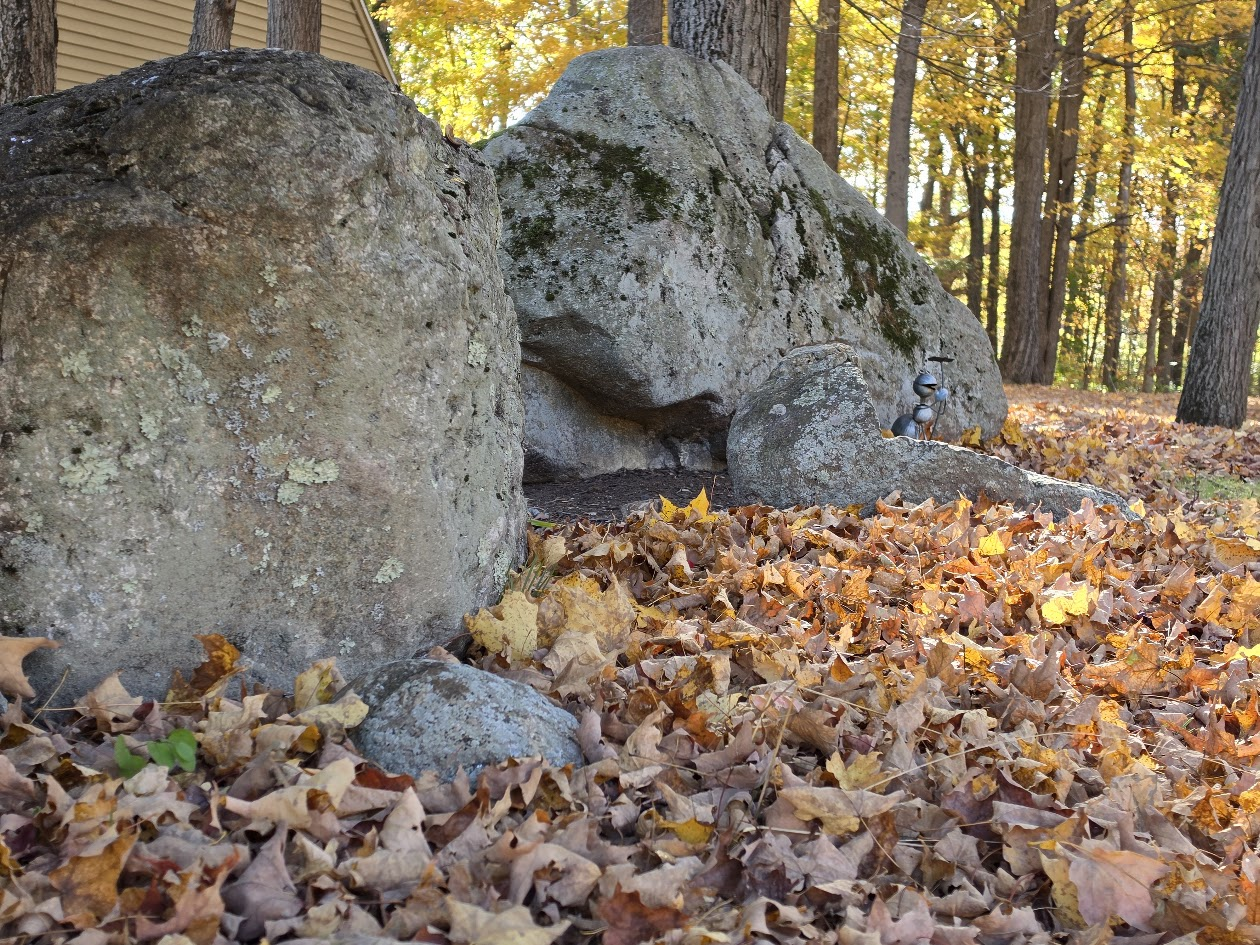
As autumn settles in, our gardens begin to change. Flowers fade, leaves fall, and the lush growth of summer gives way to bare branches, dried stems, and quieter landscapes.
For many gardeners, this signals the annual ritual of putting the garden to bed. Out come the rakes, pruning shears, and garden waste bags as we prepare our outdoor spaces for winter.
But does everything really need to be cut back, raked up, and cleared away? Not necessarily.
Thoughtful fall garden preparation is less about achieving a perfectly tidy landscape and more about understanding what needs attention, what benefits from protection, and what can be left undisturbed.
Here’s how to prepare your garden for winter while supporting healthy plants, soil, and wildlife.
1. What to Clean Up Now
Not everything in the autumn garden needs to be removed, but some cleanup helps reduce the risk of pests and diseases returning next season.
Start with the vegetable garden. Remove spent vegetable plants, especially those showing signs of disease. Fallen or rotting produce should also be collected rather than left in the beds.
Remove diseased plant material. Stems, leaves, and other plant debris affected by diseases such as powdery mildew or blight may harbor pathogens that survive into the next growing season. Remove affected material and keep it out of ordinary home compost piles, which often do not reach temperatures high enough to reliably destroy pathogens. Follow local guidance for disposing of diseased plant debris.
Clear out spent annuals where appropriate. Annual flowers that have finished their growing season can be removed, particularly if they are diseased or deteriorating. Healthy plants with useful seed heads may be worth leaving for wildlife.
Know what you’re handling. Before pulling unfamiliar plants, take time to identify them. Some plants can irritate skin or cause other reactions, while invasive species may require specific disposal methods. Wear appropriate protection and consult your local Extension service when uncertain.
The goal isn’t to strip every garden bed bare. It’s to remove material that could create problems while leaving healthy plants and natural features that still serve a purpose.
2. What to Leave Standing
Fall cleanup doesn’t have to mean cutting every perennial to the ground. In fact, leaving some healthy plants standing can benefit wildlife and add interest to the winter landscape.
Keep healthy seed heads. Plants such as coneflowers and black-eyed Susans can provide seeds for birds. Their dried flower heads also bring texture and structure to the garden long after blooming has finished.
Leave noninvasive ornamental grasses standing. Many grasses provide movement and visual interest throughout winter. Their foliage can also offer shelter for wildlife.
Consider keeping healthy perennial stems. Some native bees nest in hollow or pithy plant stems, although not every plant provides suitable nesting habitat. Leaving stems standing through winter and allowing some cut stems to remain in the garden during the growing season can help support these insects. Avoid cutting back all healthy perennial growth simply for the sake of tidiness.
Let some leaves remain. Fallen leaves help protect soil, gradually contribute organic matter as they decompose, and provide overwintering habitat for insects and other small creatures. Where practical, allow healthy leaves to remain beneath trees, shrubs, and in garden beds.
Leaf type and quantity matter. Some leaves, including oak, decompose slowly, and thick layers can become matted. Redistribute excess leaves where they might smother turf or vulnerable plants. Keeping some leaves whole helps preserve wildlife habitat, while shredding excess leaves can make them easier to manage.
There isn’t one cleanup rule that works for every plant. Follow plant-specific care recommendations, but don’t assume every brown stem or fallen leaf needs to disappear.
3. What Needs Protection Before Winter
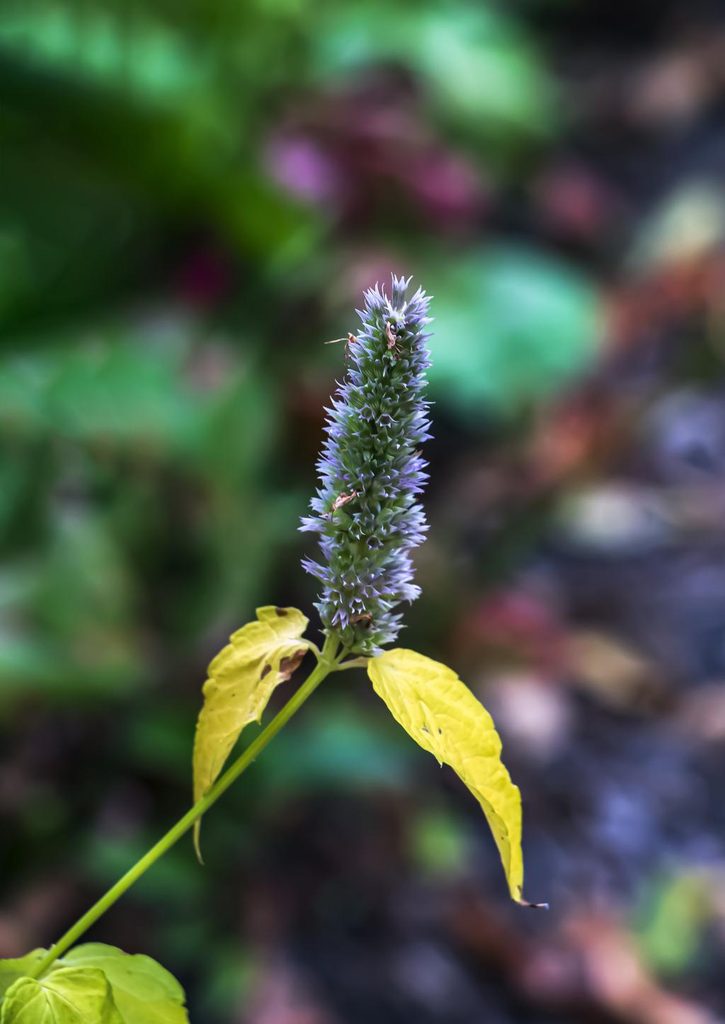
Not every plant needs extra protection as temperatures drop, but some benefit from a little attention before winter arrives. Newly planted trees and shrubs, tender perennials, and certain evergreens may be especially vulnerable to cold temperatures, drying winds, and fluctuating soil conditions.
Water Before the Ground Freezes
Trees and shrubs, especially those planted recently, benefit from adequate moisture heading into winter. During dry autumn weather, continue watering as needed until the ground freezes. Evergreens deserve particular attention because they can continue to lose moisture through their foliage during winter, while frozen soil prevents their roots from replenishing that moisture.
Water deeply when needed, rather than giving plants frequent, shallow drinks. Avoid watering if the soil is already sufficiently moist.
Mulch at the Right Time
Mulch can help protect vulnerable plants from repeated freezing and thawing. These temperature changes can lift shallow-rooted plants, exposing their roots to damaging winter conditions. This is known as frost heaving.
Timing matters, and the best approach depends on what you’re protecting. Winter mulch applied to certain perennial flower beds after the soil begins to freeze helps moderate temperature fluctuations. Strawberries are also typically mulched after plants have entered dormancy and temperatures have dropped. Other plantings, including garlic and newly planted trees or shrubs, may benefit from mulch applied earlier.
Clean straw, pine needles, shredded leaves, and other suitable organic materials can provide protection. Choose the material and depth based on the plant’s needs, and keep mulch away from direct contact with tree trunks and vulnerable plant crowns.
Remember: the purpose of winter mulch is to moderate soil temperatures and protect roots, not to keep plants actively growing through winter.
Protect Young Trees and Plan Pruning Carefully
Protect vulnerable young trees. Newly planted trees and species with thin bark may be susceptible to winter sunscald, particularly on south- and southwest-facing trunks exposed to strong afternoon sunlight followed by freezing nighttime temperatures. Light-colored tree wraps can help protect susceptible trees, but wrapping is not necessary for every tree. Apply wraps in fall when appropriate, and remove them in spring to prevent trapped moisture, pest problems, or damage to the expanding trunk.
Young trees may also need protection from rabbits, voles, or deer. Choose suitable guards or barriers for the animals involved, and keep mulch away from direct contact with the trunk.
Autumn is a good time to inspect trees and shrubs for damaged or diseased branches, but resist the temptation to prune everything before winter. Hazardous branches should be addressed promptly, while routine pruning is often best postponed until the appropriate season. Many deciduous trees and shrubs benefit from pruning during dormancy, while spring-flowering shrubs are generally pruned shortly after flowering to avoid removing next year’s flower buds.
Always check species-specific recommendations before pruning.
4. What Can Still Be Done This Fall
Autumn isn’t only about cleaning up and preparing for winter. Depending on the weather and soil conditions, there may still be opportunities to plant, plan, and enjoy the garden.
Plant spring-flowering bulbs. Tulips, daffodils, crocuses, and other spring-flowering bulbs can generally be planted in Connecticut while the soil remains workable. Planting times vary by species, so follow the recommended timing, depth, and spacing for each variety.
Consider a soil test. Fall is a good opportunity to evaluate soil conditions before planning next year’s garden. A soil test can help identify nutrient needs and determine whether amendments are necessary, rather than relying on guesswork.
Mark what you’ve planted. Use garden markers to identify newly planted bulbs and perennials that emerge late in spring. A little preparation now can prevent accidental digging later.
Enjoy a little more autumn color. Cool-season plants such as pansies, violas, and ornamental kale can tolerate light frosts and extend the season in outdoor containers. Remember that frost-tolerant doesn’t necessarily mean winter-hardy, especially when roots are exposed to freezing temperatures in pots.
5. Final Fall Housekeeping
Before winter settles in, take a few minutes to care for the tools, containers, and equipment that have worked hard throughout the growing season.
Disconnect and drain garden hoses. Empty hoses, watering wands, and sprinklers before freezing temperatures arrive. Store them where they won’t be damaged by ice, and winterize outdoor faucets as appropriate.
Clean and store garden tools. Remove soil and plant debris from tools, sharpen cutting edges when needed, and dry metal surfaces before storage. Regular cleaning throughout the growing season is equally important. Clean and disinfect cutting tools between plants when disease transmission is a concern, especially after working with diseased material. Follow disinfectant instructions for proper application and contact time.
When working in different gardens, remember to clean soil and plant debris from footwear, tools, and equipment to reduce the risk of transporting plant pathogens and invasive organisms.
Protect vulnerable containers. Terracotta and some ceramic pots can crack when absorbed moisture freezes and expands. Move frost-sensitive containers to a protected location, emptying them when appropriate.
Take a final walk through the garden. Check for forgotten stakes, plant supports, or other equipment that may need to be removed or secured before winter weather arrives.
A Garden at Rest Is Still a Living Garden
Putting the garden to bed doesn’t mean making every bed spotless or cutting every plant to the ground. It’s about recognizing what needs our attention, what benefits from protection, and what nature can manage without our intervention.
A thoughtful autumn cleanup prepares our gardens for the seasons ahead while leaving room for the wildlife that shares these spaces with us.
As the growing season draws to a close, take a moment to appreciate what’s still there. The dried stems, fallen leaves, and quiet corners of the garden are reminders that nature doesn’t simply stop when the flowers fade.
Sometimes, the best thing we can do for our gardens is know when to leave them alone.
Further Reading & Resources
Gardening recommendations can vary by plant, location, and growing conditions. For additional guidance on preparing your garden for winter, explore these university Extension resources. Connecticut gardeners can also contact UConn Extension for advice specific to our region.
UConn Home & Garden Education Center — Connecticut-specific gardening information and resources.
University of New Hampshire Cooperative Extension — Research-based gardening advice for New England.
Xerces Society — Leave the Leaves — Guidance on preserving leaf litter and overwintering habitat.
UConn Extension — Frost Cracks and Sunscald on Trees — Additional information about winter bark injuries and tree protection.
UConn Soil Nutrient Analysis Laboratory — Soil testing services, sampling instructions, and research-based recommendations for soil amendments and fertilization.
Visit the UConn Home Garden Education Office contact page for additional assistance and information about local Extension offices. Many county offices offer Master Gardener assistance; call ahead to confirm availability.